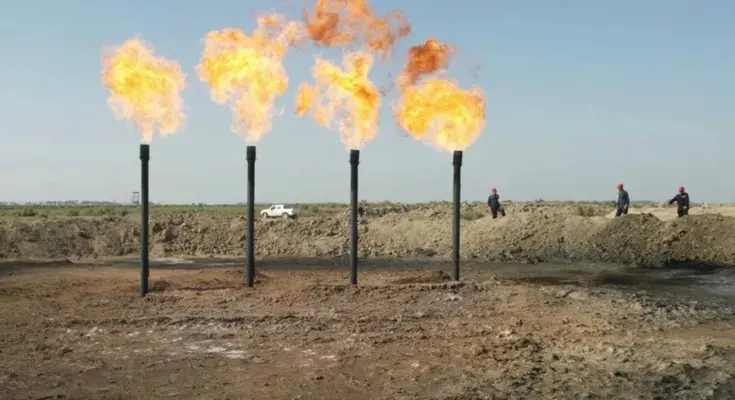
Madrid. This Monday, Brent crude oil for May delivery rose by 6.68%, reaching $77.74 per barrel at the close of trading on the London Futures Market, due to concerns over supply shortages caused by tensions in the Middle East and the conflict in Iran. North Sea crude increased by $4.87 on the Intercontinental Exchange in London compared to the closing session last Friday, when it finished at $72.87. Oil reached its highest point in eight months following the outbreak of the conflict that began on Saturday between the United States, Israel, and Iran. This confrontation resulted in the death of the Iranian Supreme Leader, Ayatollah Ali Khamenei, and has intensified bombings in the Middle East region. Optimism in the market remained among investors due to concerns over supply shortages. This is attributed to tensions in the Middle East and the focus on the development of the conflict in Iran, one of the main producers of oil in OPEC+ that has control over the Strait of Hormuz, through which approximately 20% of global maritime oil trade passes. Although there has been no official confirmation regarding the closure of this strategic passage, the warning issued on Saturday by the Iranian Revolutionary Guard, stating that maritime traffic is unsafe, has led to the suspension or diversion of shipping routes. The halt of navigation in that area has increased concerns about energy supply disruptions, and some experts predict that if it were to be completely closed for an extended period, oil prices could rise to $100 per barrel in the worst-case scenario. In addition to the rise in oil prices, gas prices have surged by approximately 45% today, following the closure of the world’s largest liquefied natural gas facility in Qatar, which was attacked by Iranian drones, impacting 20% of global production. On Monday, during a virtual conference with media, Jan Rosenow, a professor of Energy and Climate Policy at the University of Oxford, highlighted that the effect of the conflict in Iran on the energy market will depend on its duration and escalation. The President of the United States, Donald Trump, suggested today that the operation could extend beyond five weeks. For his part, Rosenow indicated that if the conflict were to be resolved in a few days, the impact would be minimal; however, if it drags on for weeks, it would affect electricity prices and consumers.
Brent crude oil rises by 6.68%, reaching $77.74, driven by the war in Iran.