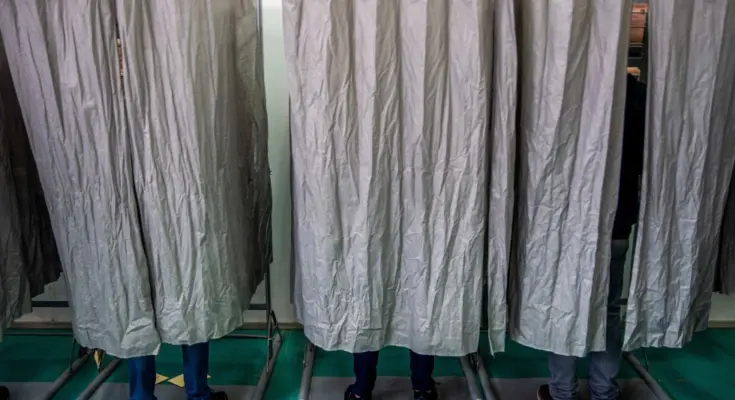
The political division in Castilla y León and its electoral districts means that a number of votes determines whether a party enters the regional Parliament, achieves a majority, or leaves thousands of votes without representation, specifically more than 128,000 in the recent elections. In 2022, 128,461 votes were registered for parties without representation in Castilla y León. This includes those that gained representation but not in all provinces, and those that ended up outside Parliament without seats. These votes represent 10.5 percent of the over 1.2 million valid votes cast. Furthermore, there are votes obtained by parties with parliamentary representatives, which increases the total of those ‘useless votes’. If those votes could be ‘borrowed’ by another party, the political landscape could change. The ‘Rufián doctrine’ is mentioned, which proposes organising candidacies to maximise votes. This idea, presented by the ERC deputy, is aimed at the political left nationally and can be implemented by all currents in Castilla y León. Although the call for ‘useful voting’ is not overly utilised, some candidates suggest that in certain constituencies it may be advisable to opt for a ‘safe’ option to avoid that vote going unrepresented. In Castilla y León, it is common for formations like Izquierda Unida, with a presence in the territory and electoral history, to obtain tens of thousands of votes in various provinces without translating into seats. This was observed in 2022, when they ran alongside Podemos and only managed to win one seat in Valladolid, leaving nearly 43,000 votes without representation in the other eight provinces.
For a Handful of Votes: A Diagnostic of ‘Useful’ and ‘Useless’ Votes in Castile and León